Weight Management After 35: What Changes — and What Marketing Oversimplifies
Why “after 35” sells
It gives supplement marketing a clean before-and-after story. Real physiology is less tidy. The National Institute on Aging notes that weight can be influenced by age, genes, sex, lifestyle, sleep and other factors. Mayo Clinic similarly emphasizes that metabolism is only part of the picture.
Midlife women and menopause
Mayo Clinic notes that many women gain weight through the years around menopause and that hormonal changes can shift where fat is stored. It also emphasizes aging, muscle loss, activity, diet, genetics and sleep. That is very different from saying a single gut signal “turns off” at 35.
What “slow metabolism” does and doesn’t mean
Energy expenditure can change with age and body composition, but slow metabolism is not usually the sole cause of weight gain. Calorie intake, activity, sleep, stress and medical factors can all matter.
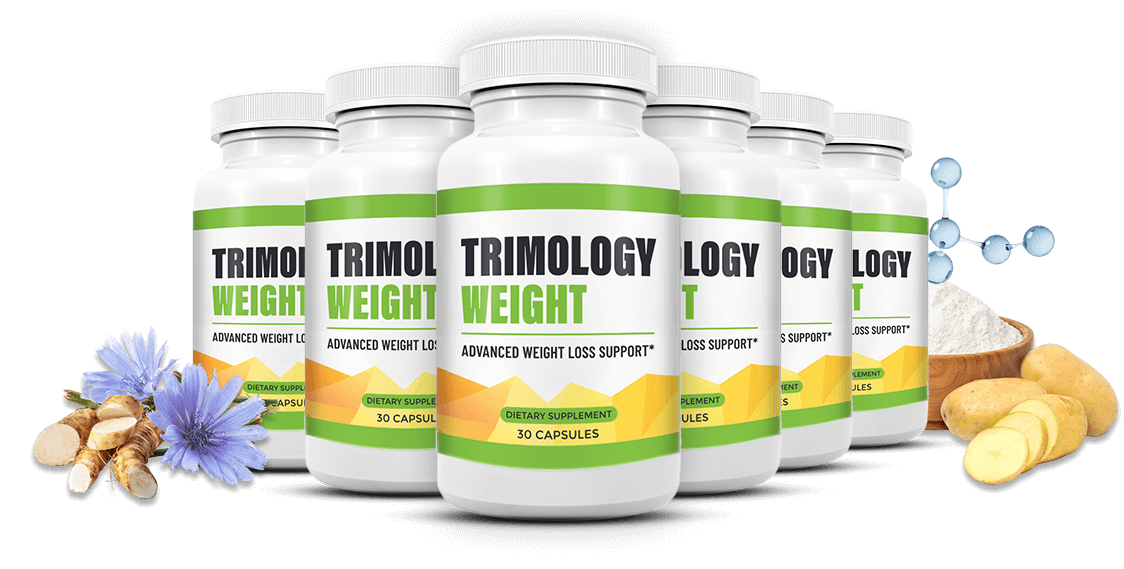
Where a supplement may fit
A supplement can be an optional adjunct for some adults. It should not crowd out nutrition, resistance training, activity, sleep, medical evaluation or evidence-based treatment when those are needed.
Sources used on this page
- National Institute on Aging — Maintaining a Healthy WeightGeneral context on aging, activity, eating patterns and weight.
- Mayo Clinic — Menopause and weight gainClinical context on midlife weight change and menopause.
- Mayo Clinic — Metabolism and weight lossClinical context on metabolism, energy balance and common misconceptions.
- NIH Office of Dietary Supplements — Weight-Loss SupplementsGeneral evidence and safety context for weight-loss dietary supplements.