RS2 Resistant Starch: Gut Fermentation, Metabolism and Weight Evidence
What RS2 is
Resistant starch is starch that escapes digestion in the small intestine and reaches the large intestine, where microbes can ferment it. Type 2 resistant starch is found in certain raw or ungelatinized starches and can also be used as a supplement ingredient.
What systematic reviews found
A systematic review of human studies found no consistent direct effect on body weight or body composition and reported mixed findings for satiety and energy intake, while several glycemic markers showed more promising signals. Another RS2-focused meta-analysis found effects that varied by population and outcome.
Why dose is crucial
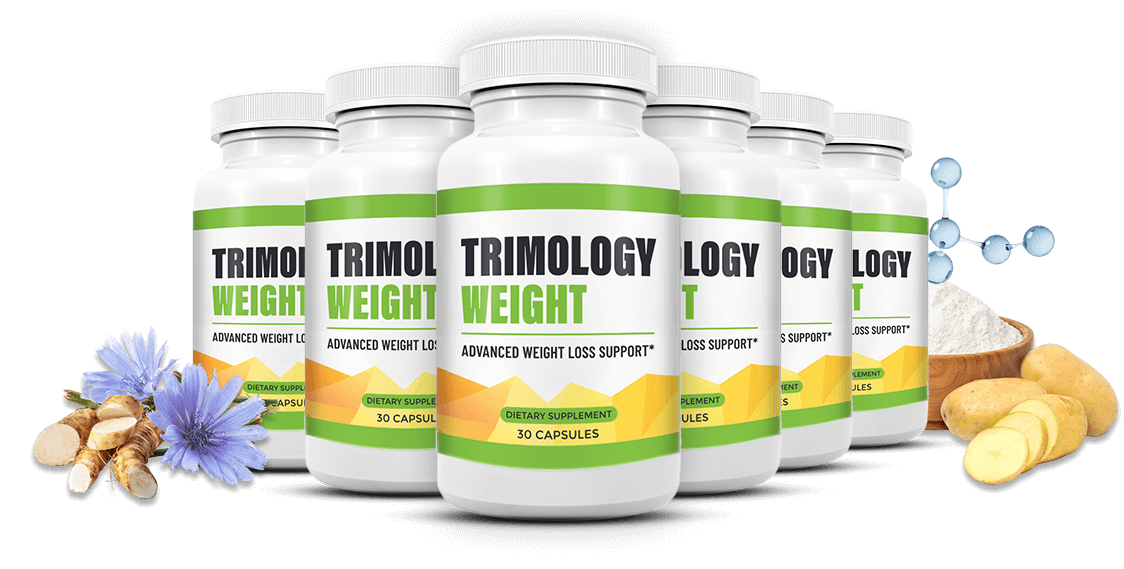
Research studies often use measured gram-level exposures. If a commercial capsule does not disclose the amount of RS2, you cannot assume it matches the trial dose. This is one of the central transparency questions for Trimology.
Food sources vs supplements
Resistant starch can also come from foods and food preparation patterns. A supplement is not the only way to increase fermentable substrate, and tolerance can differ from person to person.
A better way to read claims
- Ask whether the study measured body weight, appetite, glucose or another endpoint.
- Check the resistant-starch type and dose.
- Check the study population.
- Separate short-term metabolic changes from proven long-term weight loss.
- Do not transfer results to a finished multi-ingredient product without a direct trial.
Sources used on this page
- Resistant starch and obesity — systematic reviewSystematic review reporting mixed/inconclusive effects for body weight and composition.
- Resistant Starch Type 2 — systematic review and meta-analysisIngredient-level evidence on RS2; product doses and populations matter.
- Trimology CB public sales pageUsed for current product positioning, named ingredients, package pricing and guarantee terms. Brand claims are labeled as brand claims.
- NIH Office of Dietary Supplements — Weight-Loss SupplementsGeneral evidence and safety context for weight-loss dietary supplements.