Trimology CB Ingredients: What’s Named, What’s Missing and What the Science Means
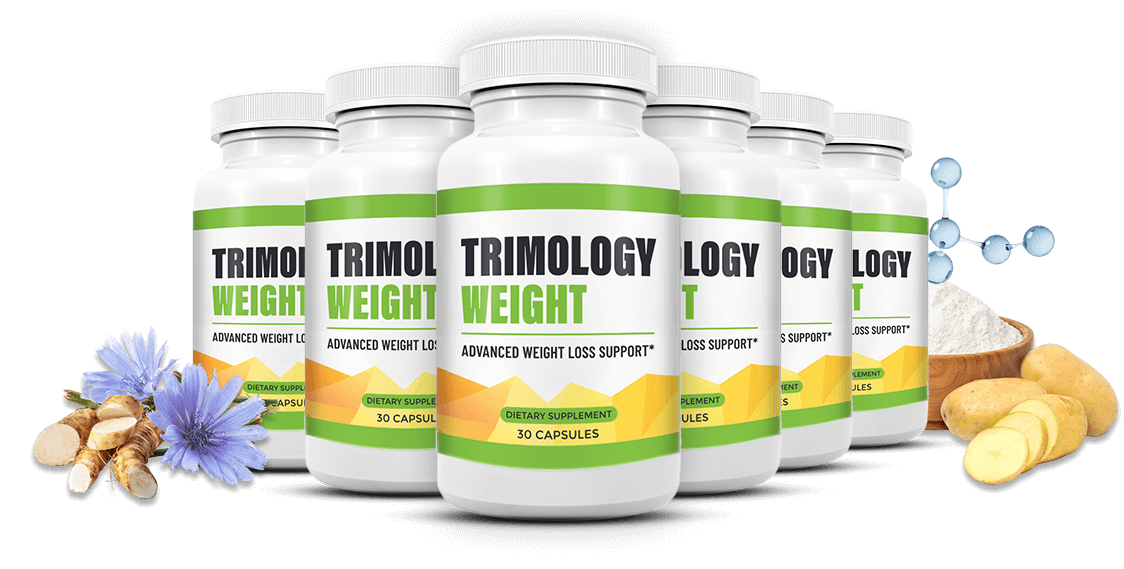
Named core ingredients
- RS2 resistant starch from potato starch — presented as a prebiotic substrate.
- Chicory-root inulin — a fermentable prebiotic fiber.
- Clostridium butyricum — a butyrate-producing bacterial species used in some probiotic formulations.
- Akkermansia muciniphila — a microbiome organism under active study in metabolic and gut-health research.
- Bifidobacterium infantis — a bifidobacterial strain associated with gut ecology.
- Maqui berry, astaxanthin, amla, rhodiola, schisandra, green tea extract, cinnamon and cacao — additional ingredients named by the merchant.
The dose problem
Ingredient research is dose-specific. A trial using grams of resistant starch cannot automatically justify a weight-loss claim for an undisclosed amount inside a capsule. The same issue applies to bacterial strains: live versus pasteurized form, strain identity, cell count, storage, delivery and population can all matter.
Because the public Trimology CB page does not show exact amounts for each named ingredient, we cannot determine whether the formula reproduces the exposures used in the studies cited for those ingredients.
What looks most scientifically interesting
The gut-metabolism angle is not invented from nothing. Inulin has human trial data, resistant starch has a substantial literature, and Akkermansia has moved into randomized human research. But those lines of evidence vary in strength and do not merge automatically into product-level proof.
For example, the 2026 Nature Medicine trial tested a specific pasteurized Akkermansia preparation in people who had already achieved at least 8% weight loss during an energy-restricted phase. That is materially different from taking an unspecified Akkermansia form as part of a broad supplement formula.
Questions to ask before buying
- Can the seller provide the complete Supplement Facts label?
- What is the amount of RS2 and inulin per serving?
- What exact strains and cell counts are used?
- Is the Akkermansia live, pasteurized, or another preparation?
- Has the finished formula been tested in a randomized controlled trial?
- What are the storage requirements and expiration controls for the microbial ingredients?
Sources used on this page
- Trimology CB public sales pageUsed for current product positioning, named ingredients, package pricing and guarantee terms. Brand claims are labeled as brand claims.
- Reimer et al., AJCN 2024 — chicory inulin meta-analysisMeta-analysis of chicory inulin-type fructans; not a study of Trimology.
- Resistant starch and obesity — systematic reviewSystematic review reporting mixed/inconclusive effects for body weight and composition.
- Resistant Starch Type 2 — systematic review and meta-analysisIngredient-level evidence on RS2; product doses and populations matter.
- Mount et al., Nature Medicine 2026 — pasteurized Akkermansia trialRandomized trial of pasteurized Akkermansia after diet-induced weight loss; not a trial of Trimology.
- NIH Office of Dietary Supplements — Weight-Loss SupplementsGeneral evidence and safety context for weight-loss dietary supplements.