Trimology vs a Standard Probiotic: What’s Actually Different?
Probiotic, prebiotic and synbiotic ideas
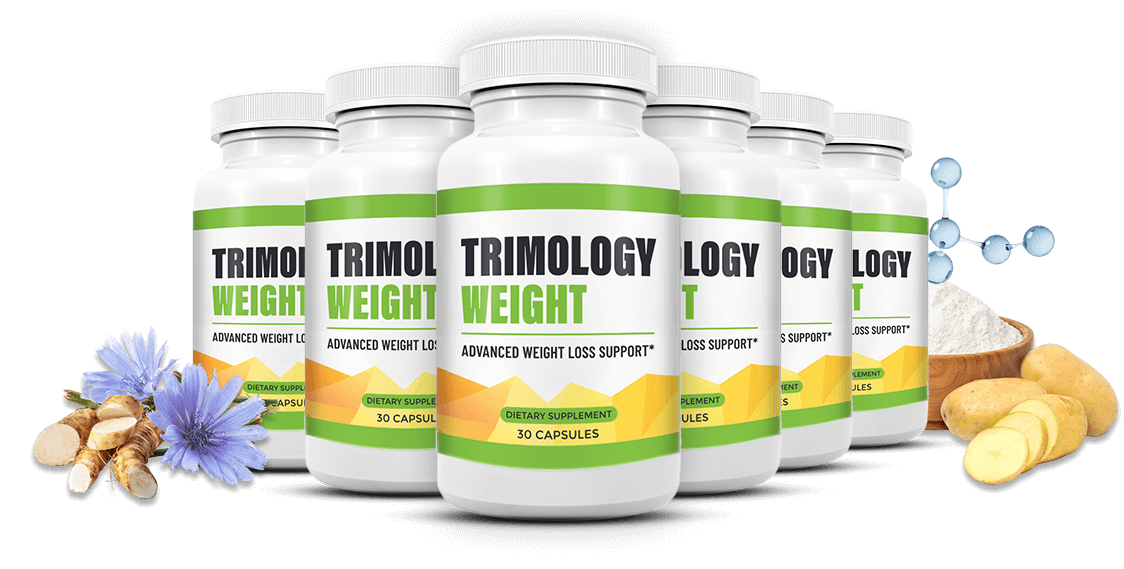
A probiotic generally supplies live microorganisms intended to confer a health benefit when administered in adequate amounts. A prebiotic is a substrate selectively used by host microorganisms that confers a health benefit. Products that combine the two are often discussed as synbiotic approaches. Trimology’s marketing resembles that combined concept, although exact classification depends on the actual label and forms used.
Why strain identity matters
“Contains probiotics” is too vague for serious evaluation. Effects can be strain-specific, dose-specific and outcome-specific. The same species name does not guarantee the same result across every formulation.
Why Trimology’s weight-loss positioning raises the evidence bar
A digestive-support claim and a weight-loss claim are not equivalent. When a product implies meaningful body-weight or fat-loss effects, the most persuasive evidence would directly measure those outcomes using the exact finished formula.
What to compare on labels
- Exact organism strain names, not only species.
- Live-cell count or postbiotic amount at the end of shelf life, where relevant.
- Prebiotic fiber amount.
- Storage requirements.
- Other botanicals or stimulants.
- Any clinical trials on the exact product rather than on unrelated ingredients.
Sources used on this page
- Trimology CB public sales pageUsed for current product positioning, named ingredients, package pricing and guarantee terms. Brand claims are labeled as brand claims.
- FDA — Substantiation for Dietary Supplement ClaimsRegulatory context for evidence needed to support supplement claims.
- NIH Office of Dietary Supplements — Weight-Loss SupplementsGeneral evidence and safety context for weight-loss dietary supplements.
- Mount et al., Nature Medicine 2026 — pasteurized Akkermansia trialRandomized trial of pasteurized Akkermansia after diet-induced weight loss; not a trial of Trimology.