Probiotics vs Prebiotics vs Postbiotics: The Consumer’s Guide
Probiotics
Probiotics are live microorganisms that, when administered in adequate amounts, are intended to confer a health benefit. For consumers, “probiotic” is only the starting point: strain identity, viable count, storage and the studied outcome matter.
Prebiotics
Prebiotics are substrates selectively used by host microorganisms that confer a health benefit. Inulin is a common example, and resistant starch is often discussed in the same fermentable-fiber ecosystem.
Postbiotics
Postbiotic preparations use non-living microorganisms and/or their components. The 2026 Akkermansia trial used a pasteurized preparation, which is why it should not be treated as evidence for every live-Akkermansia product.
Where Trimology fits conceptually
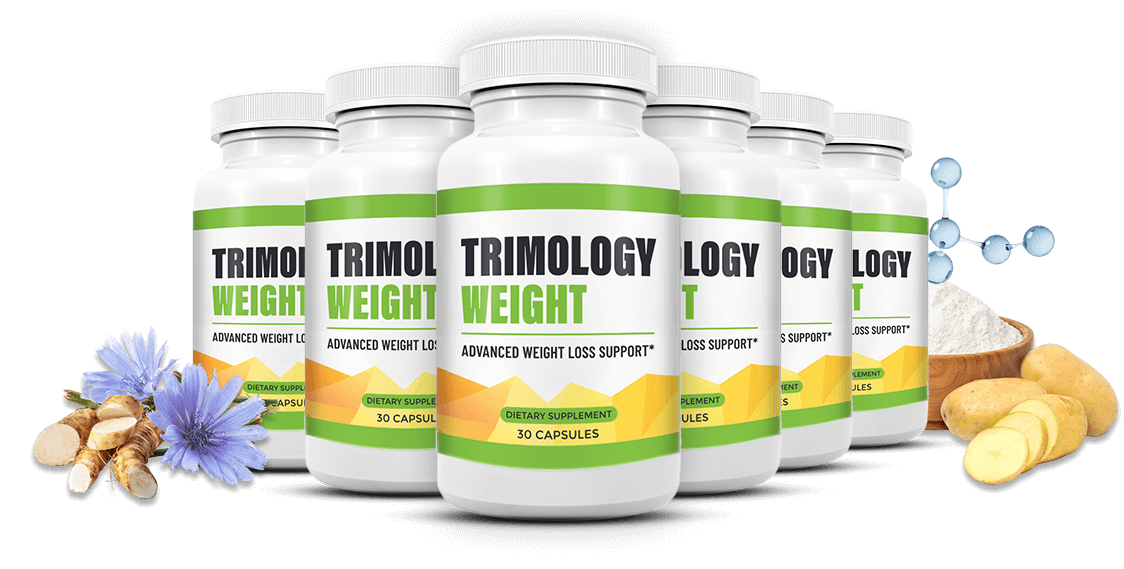
Trimology combines prebiotic-type ingredients with named microbial organisms and botanicals. Without a full public dose/form label, it is safer to describe it as a multi-ingredient gut/metabolic supplement rather than make overly precise classification claims.
What to compare
- Exact strain or preparation.
- Dose or cell count.
- Whether the form is live or pasteurized.
- Clinical endpoint studied.
- Population studied.
- Finished-product evidence.
Sources used on this page
- Reimer et al., AJCN 2024 — chicory inulin meta-analysisMeta-analysis of chicory inulin-type fructans; not a study of Trimology.
- Mount et al., Nature Medicine 2026 — pasteurized Akkermansia trialRandomized trial of pasteurized Akkermansia after diet-induced weight loss; not a trial of Trimology.
- Trimology CB public sales pageUsed for current product positioning, named ingredients, package pricing and guarantee terms. Brand claims are labeled as brand claims.