Akkermansia muciniphila: What the 2026 Human Evidence Actually Shows
What Akkermansia is
Akkermansia muciniphila is a bacterium that lives in the intestinal mucus layer and has been studied in relation to gut-barrier and metabolic physiology. It has become a popular supplement ingredient because observational and experimental research has linked it with several cardiometabolic markers.
The 2026 randomized trial
In the 2026 Nature Medicine trial, 90 adults with overweight or obesity first completed an 8-week low-energy diet and achieved at least 8% weight loss. They then entered a 24-week maintenance phase receiving pasteurized A. muciniphila MucT or placebo while following a healthy ad-libitum diet. The Akkermansia group regained less weight on average than placebo.
That is meaningful human evidence, but the context matters: weight maintenance after substantial initial diet-induced weight loss is different from taking an over-the-counter supplement with no other intervention.
Live vs pasteurized
Some products use live Akkermansia; others use pasteurized cells, which are non-living and often described as a postbiotic preparation. Do not assume that one form automatically inherits clinical results from the other. The form and strain used in a trial are part of the treatment.
How this relates to Trimology
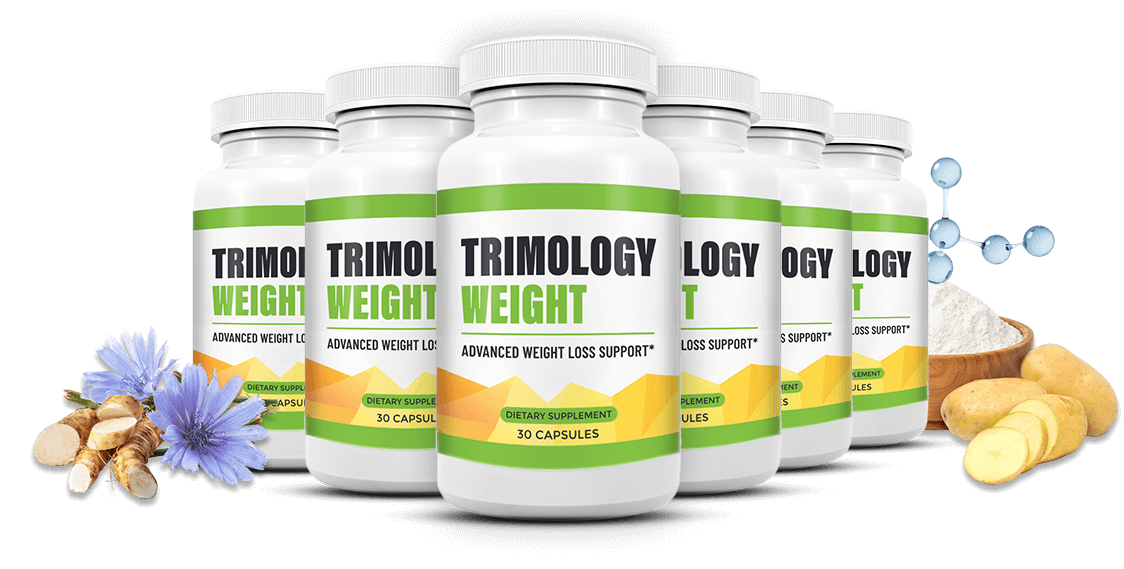
Trimology’s public page names Akkermansia but does not provide a full dose/form disclosure comparable with a detailed Supplement Facts panel. Therefore, the 2026 trial is best treated as evidence that the organism is scientifically interesting—not as proof of Trimology’s finished formula.
Sources used on this page
- Mount et al., Nature Medicine 2026 — pasteurized Akkermansia trialRandomized trial of pasteurized Akkermansia after diet-induced weight loss; not a trial of Trimology.
- Trimology CB public sales pageUsed for current product positioning, named ingredients, package pricing and guarantee terms. Brand claims are labeled as brand claims.
- Metagenics UltraFlora Healthy Weight with Akkermansia — official US product pageCurrent Supplement Facts and positioning reference for comparison; not an affiliate destination.
- Pendulum Akkermansia — official product pageCurrent formulation/positioning reference for comparison; not an affiliate destination.