Bifidobacterium infantis: Gut Ecology, Claims and Supplement Context
Bottom line: Bifidobacterium infantis appears in several gut-health formulations. The main evaluation rule is the same as for other probiotics: strain, amount, outcome and population matter.
What the name tells you—and what it doesn’t
A species name can identify a biological category, but clinical effects are often strain-specific. Without the precise strain and dose, it is difficult to map a commercial product to a study.
Why it appears in metabolic probiotic blends
Some multi-strain products pair B. infantis with organisms that produce short-chain fatty acids or interact with fermentable carbohydrates. That is a formulation rationale. It should not be confused with proof that the blend causes weight loss.
Trimology and competitor context
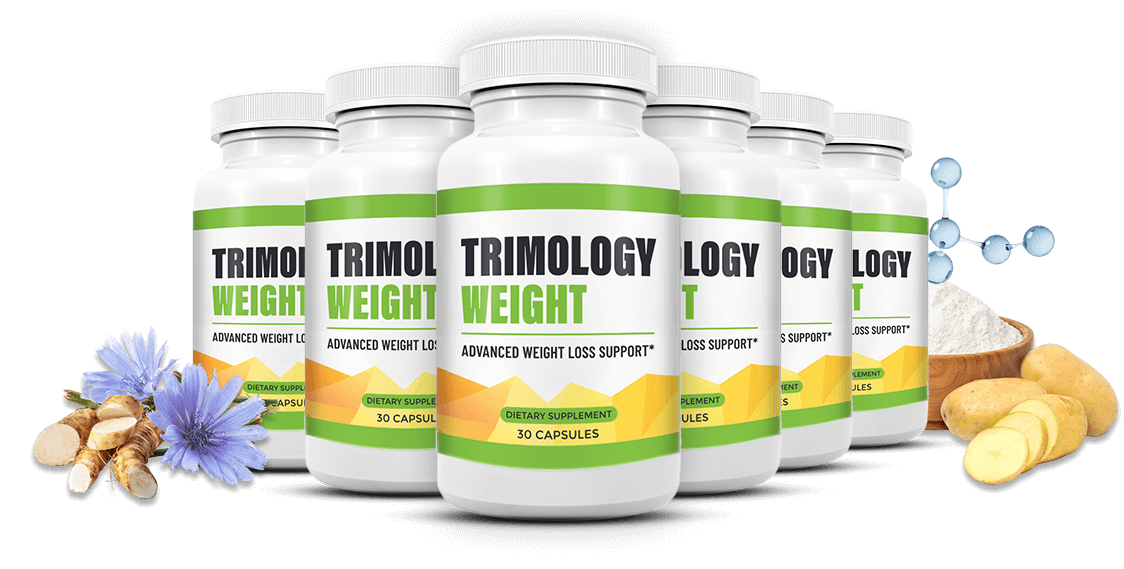
Trimology names B. infantis but does not show a public strain-and-dose label. Pendulum Metabolic Daily also names B. infantis among a broader strain list. Seeing the same species in two products does not make the products equivalent.
What a better label would disclose
- Full strain designation.
- Amount or viable count, as applicable.
- Storage conditions.
- Serving size.
- Evidence tied to that strain and intended outcome.
Sources used on this page
- Trimology CB public sales pageUsed for current product positioning, named ingredients, package pricing and guarantee terms. Brand claims are labeled as brand claims.
- Pendulum Metabolic Daily — official product pageCurrent strain list/positioning reference for comparison; not an affiliate destination.
- NIH Office of Dietary Supplements — Weight-Loss SupplementsGeneral evidence and safety context for weight-loss dietary supplements.